Package Details
Coronary CTA provides an intuitive visualization of coronary artery anatomy, enabling detection of stenosis, calcified plaques, and obstruction severity, thereby offering critical diagnostic evidence for cardiovascular diseases.
Package Duration: 3days 2 nights
Coronary artery examination of the head 1 session
Coronary artery examination of the heart 1 session
Coronary artery examination of the neck 1 session
What are the Hazards of Coronary Artery Disease?
It is more prevalent inpeople aged 40 andabove, with a higherincidence in malesthan in females.
Coronary arteries (referred to as: coronary arteries) are the arterial blood vessels that supply blood to the heart. Coronary atherosclerotic heart disease, often referred to as "coronary heart disease", is a heart disease caused by atherosclerotic lesions in the coronary arteries leading to vascular stenosis or obstruction, resulting in myocardial ischemia, hypoxia or necrosis. The development of coronary heart disease directly leads to myocardial ischemia and cardiovascular events. Therefore, the core of coronary heart disease treatment lies in the accurate judgment and effective intervention of the degree of vascular stenosis and myocardial ischemia caused by coronary atherosclerotic plaques.
What are the Risk Factors and Triggers of Coronary Artery Disease?
There are many risk factors affecting coronary heart disease, mainly including: age, gender, genetic factors, smoking, hypertension, dyslipidemia, diabetes, overweight or obesity, lack of physical activity, high pressure, unhealthy diet, drinking alcohol, etc. The risk factors of coronary heart disease usually exist simultaneously and may interact with each other. The combination of multiple risk factors may have an additive effect, leading to a higher risk of coronary heart disease.
What are the Hazards of Coronary Artery Disease?
Affects Quality of Life
In the case of long-term myocardial ischemia caused by coronary arteries, it will eventually lead to myocardial ischemia in the corresponding perfusion area downstream of the distal end, resulting in discomfort in patients after activity, and even angina pectoris at rest, thus seriously affecting the quality of life.
Coronary heart disease can lead to long-term myocardial ischemia and hypoxia. Long-term and persistent coronary heart disease may also induce various complications such as arrhythmia, heart failure, and acute myocardial infarction.
Induces Sudden Cardiac Death
Coronary heart disease is the most common cause of sudden cardiac death. When plaque rupture, vascular spasm or thrombosis occurs in patients with coronary heart disease, it may lead to myocardial ischemia and necrosis, and then induce sudden cardiac death.
What is the Coronary Artery?
Coronary arteries are the blood vessels that supply blood to the heart itself, divided into left coronary artery and right coronary artery. The right coronary artery originates from the right aortic sinus at the root of the ascending aorta, mainly supplying the right atrium, right ventricle, part of the posterior wall of the left ventricle and the posterior 1 /3 of the interventricular septum; the left coronary artery originates from the left aortic sinus at the root of the ascending aorta. The left coronary artery starts from the left main coronary artery and divides into the left anterior descending artery (LAD) and the circumflex artery (LCX), mainly supplying the left atrium, the lateral wall and posterior wall of the left ventricle.
What is Coronary Dominance?
According to the distribution of the left and right coronary arteries, the distribution of coronary arteries can be divided into right-dominant type, left-dominant type and balanced type. In the right-dominant type, the right coronary artery is thick and large, and after passing the posterior crux (the intersection of the atrioventricular groove and the posterior interventricular groove), it divides into the posterior descending branch and the posterior branch of the left ventricle, distributing to most of the diaphragmatic surface of the left ventricle, while the left circumflex artery is relatively small. In the left-dominant type, the left circumflex artery is thick and large, and after passing the posterior crux, it divides into the posterior descending branch and the posterior branch of the left ventricle, distributing to most of the diaphragmatic surface of the left ventricle, while the right coronary artery is relatively small. In the balanced type, both the right coronary artery and the left circumflex artery pass the posterior crux, and respectively give off their own posterior branch of the left ventricle and posterior descending branch. Coronary dominance is very important information for evaluating cardiac function. Inferior wall ischemia may reflect obstructive lesions of the left circumflex artery or right coronary artery.
Equipment Introduction
General Electric (GE) Company is a world-leading digital industrial company, integrating the wisdom of connectivity, responsiveness and prediction, and committed to transforming traditional industries. GE Healthcare provides innovative medical technologies and services, with extensive professional technologies in medical imaging, information technology, medical diagnosis, patient monitoringsystems, drug research and development, biopharmaceutical technology, operational excellence and overall operational solutions, helping customers provide higher quality medical services to more people around the world at lower costs.
Our Service
Terms and Conditions
Aim for at least 6-8 hours to help stabilize blood pressure and heart rate.
You must refrain from eating and drinking after 8:00 PM tonight, until the completion of your fasting tests the next day. until the completion of your fasting tests the next day.
Refrain from alcohol, caffeine, and sugary foods for at least 24 hours before your check-up.
Before the examination, please change into the wellness gown provided in your room. Female guests, please do not wear makeup, bras, or tight-fitting clothes. - Jewelry: Do not wear metal jewelry. You may remove it in advance and entrust them to your accompanying staff for temporary safekeeping.
It is recommended to avoid scheduling your check-up during your menstrual period, as it may affect test results.If you are in your menstrual period, we will cancel gynecological examinations based on your actual situation. - Meanwhile, hormonal fluctuations during menstruation may affect the results of some tests. We hereby inform you of this, and thank you for your understanding. If You Have Pre-existing Conditions –bring the medication to the Pre-Examination Center and take it after finishing the fasting tests.
You may wash your face and brush your teeth as usual (this will not affect the examination), but please avoid drinking, eating, and smoking. - If you need to take medication on an empty stomach in the morning, bring the medication to the Pre-Examination Center and take it after finishing the fasting tests.
If you have the habit of using the toilet in the morning, please be sure to collect your fecal sample. Ensure the sample does not come into contact with water or urine. - If you do not have this morning habit, you may bring the provided sample container (left in your room) to the Pre-Examination Center, and collect the sample whenever you feel the urge during the process.
For more information, please contact
WELLNESS 2th Floor,F Building
+86 198 0303 8810
+86 150 3133 3571
You Might Interest

SPOT-MAS Package (Cancer Look Out)



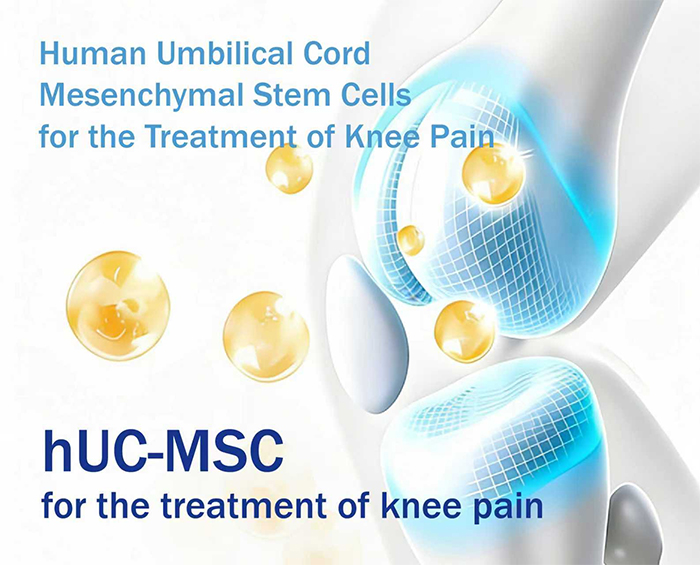
Stem Cell Therapy for Arthritis
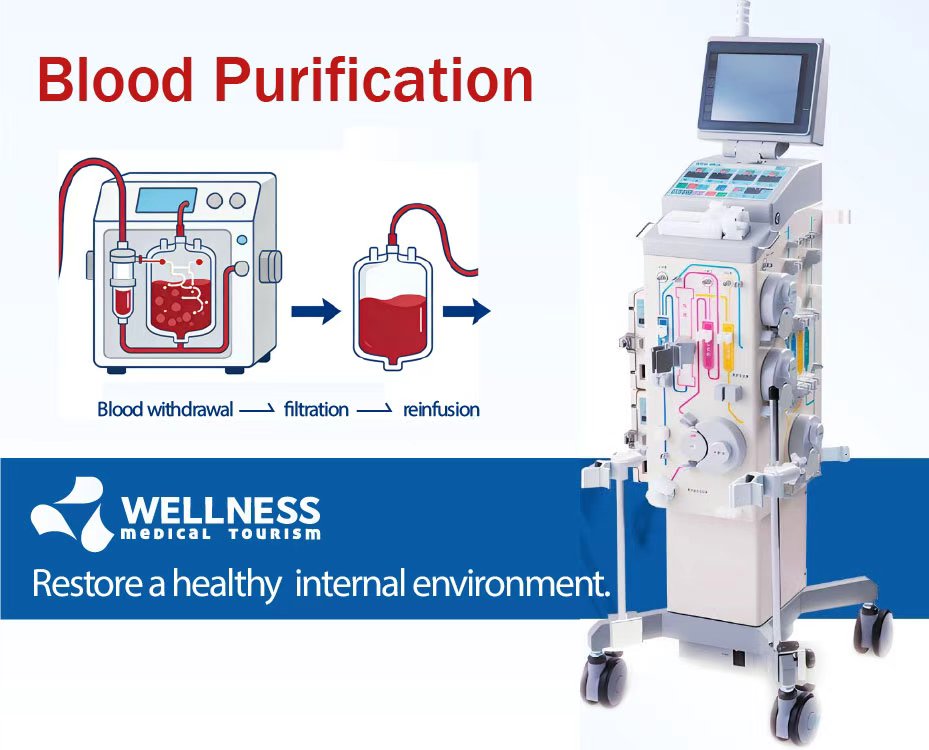
Fecal Microbiota Transplantation, FMT
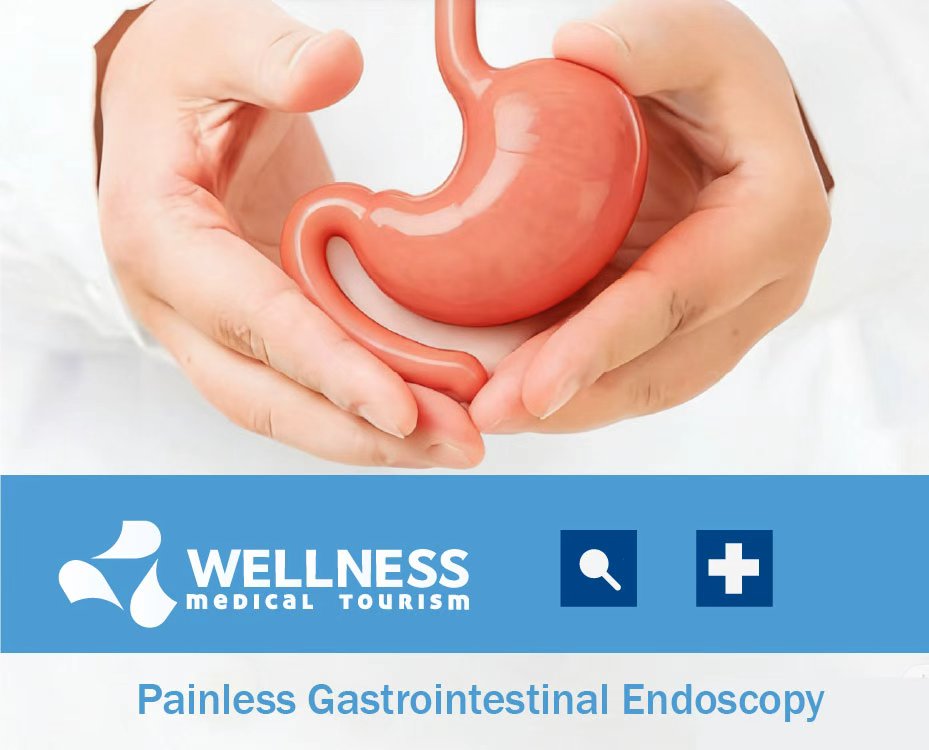
Painless Gastrointestinal Endoscopy






 Book Now